

Induced After-Death Communication


Induced After-Death Communication (IADC) Therapy is most effective for individuals whose loved one died at least 12 months before treatment. In some cases, individuals who experienced a death between 6 and 12 months ago may also be appropriate candidates. This is assessed on a case-by-case basis during the screening process.
Continuing Bonds and After-Death Communication
Continuing bonds with your loved one is a healthy and normal response to grief. Many people who are grieving naturally experience moments of connection with the person who died. These experiences may take the form of dreams, memories, a felt sense of presence, or other meaningful internal experiences.

After-Death Communication
Refers to the spontaneous experience of perceiving the presence of a deceased loved one. ADCs are widely reported across cultures and belief systems and are considered a naturally occurring phenomenon. For many people, these experiences feel comforting and can support an ongoing sense of connection.

What Is Induced After-Death Communication?
Induced After-Death Communication (IADC) was developed in 1995 by Allan L. Botkin, Psy.D. IADC is a structured therapeutic approach based on eye-movement techniques and is a variation of EMDR. The focus of IADC is the core sadness associated with the death of a loved one.
IADC typically involves two sessions, each lasting approximately 90 minutes, completed over two consecutive days.
The goal of IADC is not to force or create an after-death communication. Rather, the process is designed to reduce the intensity of grief-related sadness and support a psychological state in which connection may occur naturally.
What Outcomes Are Associated with IADC?
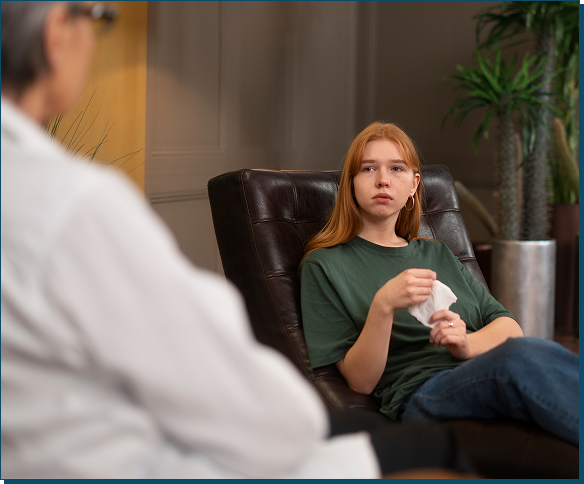
Research and clinical use suggest that approximately 70–75% of individuals who participate in IADC report an after-death communication or a strong sense of connection with the person who died. An ADC is not guaranteed, and several factors can influence whether one occurs.
Importantly, even when an after-death communication does not occur, many people report a reduction in the intensity of their sadness and meaningful emotional shifts related to their grief. These changes may include greater clarity, less emotional overwhelm, and a different internal relationship with their loss.

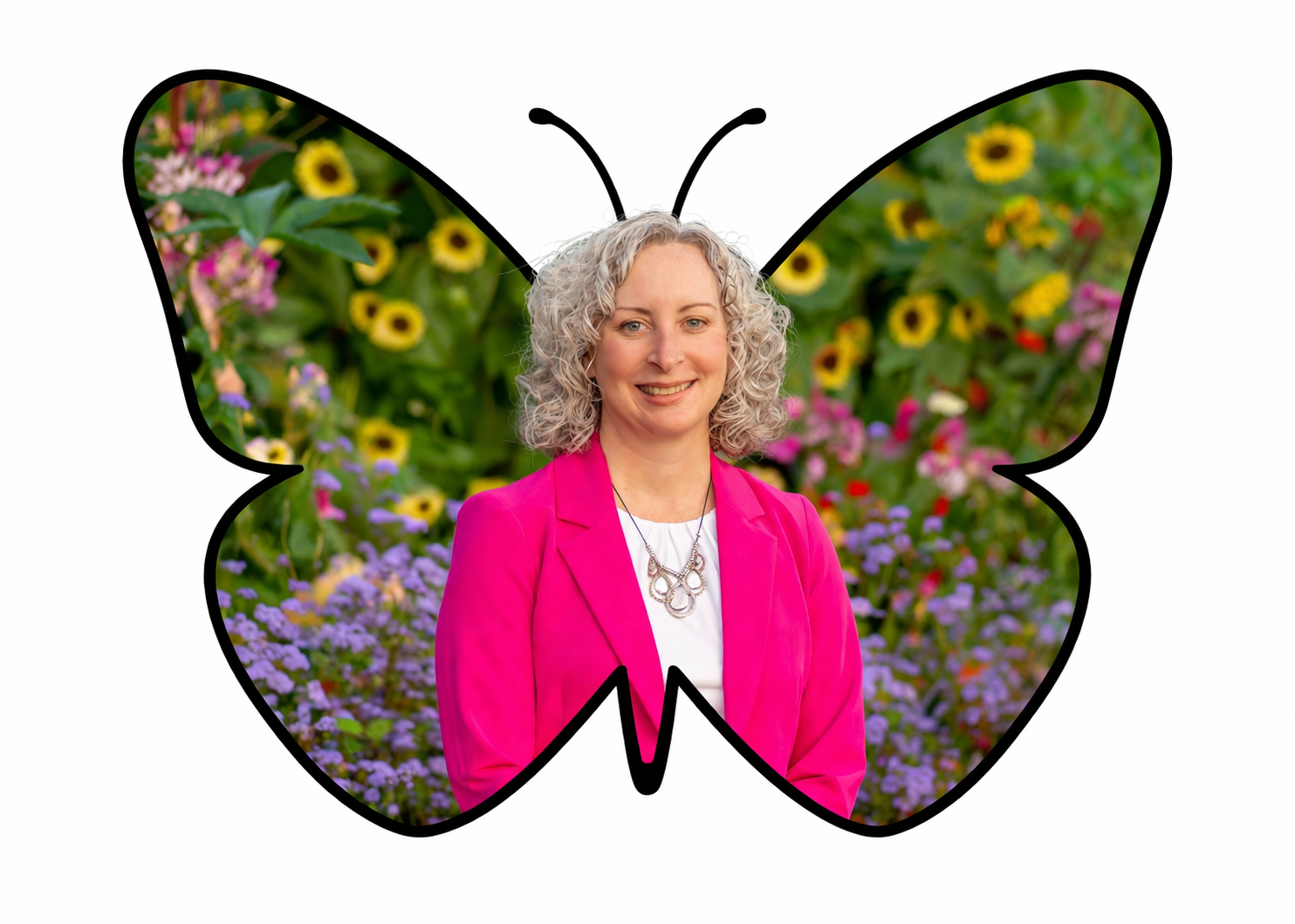
IADC Therapy begins with a free screening call to determine whether this approach is a good fit.
I only accept individuals for whom a positive outcome is likely, and the screening helps ensure that this work is appropriate and well-timed for you.
It’s important to know that IADC can be emotionally demanding. The process requires the ability to focus inward, tolerate strong emotional experiences, and set aside active thinking in order to engage fully with the work. These factors are carefully discussed during the screening call.
If, after the screening,
If I determine that you are an appropriate candidate, we will either schedule two 90-minute IADC sessions on consecutive days or discuss participation in one of our IADC Retreats, depending on what best fits your needs. See below for more information about our Induced After-Death Communication Retreats in Silver Bay, NY.
Want to learn more?
Want to learn more about the retreats offered at Silver Bay YMCA Retreat Center? Listen to episode #26 of the GRIEF Ladies Podcast, where Kelly Daugherty and co-host Karyn Arnold interview past retreat facilitator, April Hannah, about these magical weekend retreats.
IADC Grief Retreat After-Death Connection
YOUR RELATIONSHIP DIDN’T END WHEN YOUR LOVED ONE DIED.
This 3-day IADC grief retreat is designed for people grieving the death of someone significant who want the sadness connected to their grief to feel different. Many participants notice less intensity in their sadness, a stronger sense of connection to the person who died, and less reactivity around memories and reminders.
Hosted by Kelly Daugherty, LCSW, PLLC

About the IADC Grief Retreat:
This 3-day IADC grief retreat is designed for people who are grieving the death of someone significant and want the sadness connected to their grief to feel different.
Grief can remain intense long after the death itself, even when people have support, insight, and time. This retreat offers a structured, supportive environment to work directly with that sadness while also honoring the ongoing relationship with the person who died.
The retreat uses the Induced After-Death Communication (IADC) eye-movement technique alongside guided meditations, ritual, and group support. Together, these elements are designed to reduce the intensity of grief-related sadness and support meaningful emotional shifts.
After-death communication cannot be guaranteed. What this retreat offers is the opportunity for increased openness, clarity, and connection, however that unfolds for each individual.
The program is limited to a small group of participants
The program is limited to a small group of participants
Schedule a free screening call, and we can discuss your questions and determine whether this retreat is the right next step.
What's Included:
Two 90minute Induced After-Death Communication Therapy Sessions
Two Reiki Sessions
Grief Rituals
Journaling
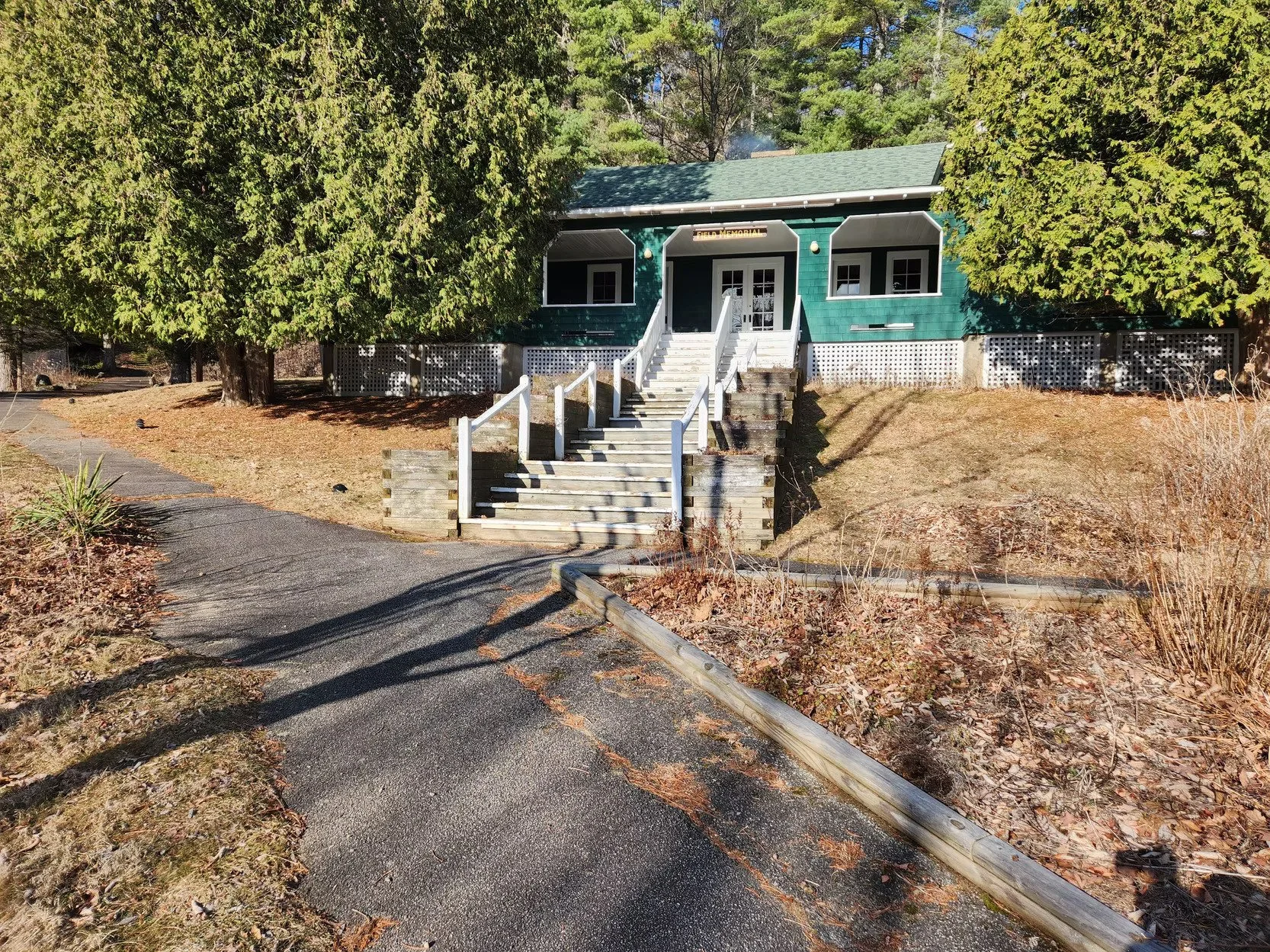
Private room and bathroom in the William Boyd Center at Silver Bay YMCA Retreat Center
Group Processing, Connection with Others who are grieving
All meals are included
Who This Grief Retreat Is For:
This retreat may be a good fit if:
Someone significant in your life died at least one year ago
The sadness connected to your grief still feels intense or intrusive
You want to feel more connected to the person who died
You’re open to IADC, meditation, ritual, and group experiences
You’re looking for something more focused and immersive than traditional grief support
You don’t need to know exactly what you’re hoping will change — only that you want something to feel different.
What Past Participants Notice After the Retreat:
While every experience is unique, many people who attend this retreat notice:
a softening of the sadness
greater comfort with memories and reminders
a stronger sense of connection to the person who died
greater clarity about their grief
feeling less emotionally overwhelmed
These shifts don’t change the love — they change how the grief feels inside you.
Next Steps:
If you’re longing for these kinds of shifts, complete the screening form, and we will be in touch to schedule a brief screening call to determine whether this retreat is a good fit.
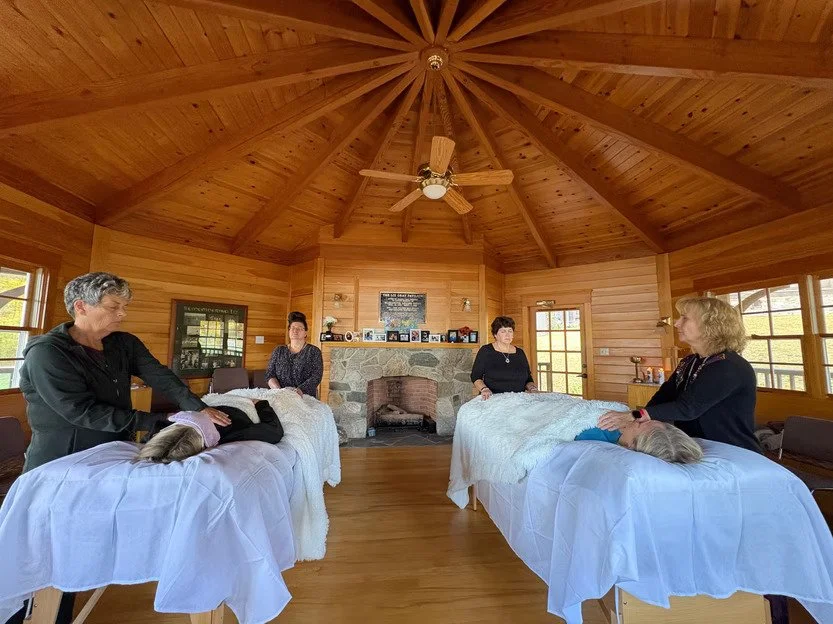
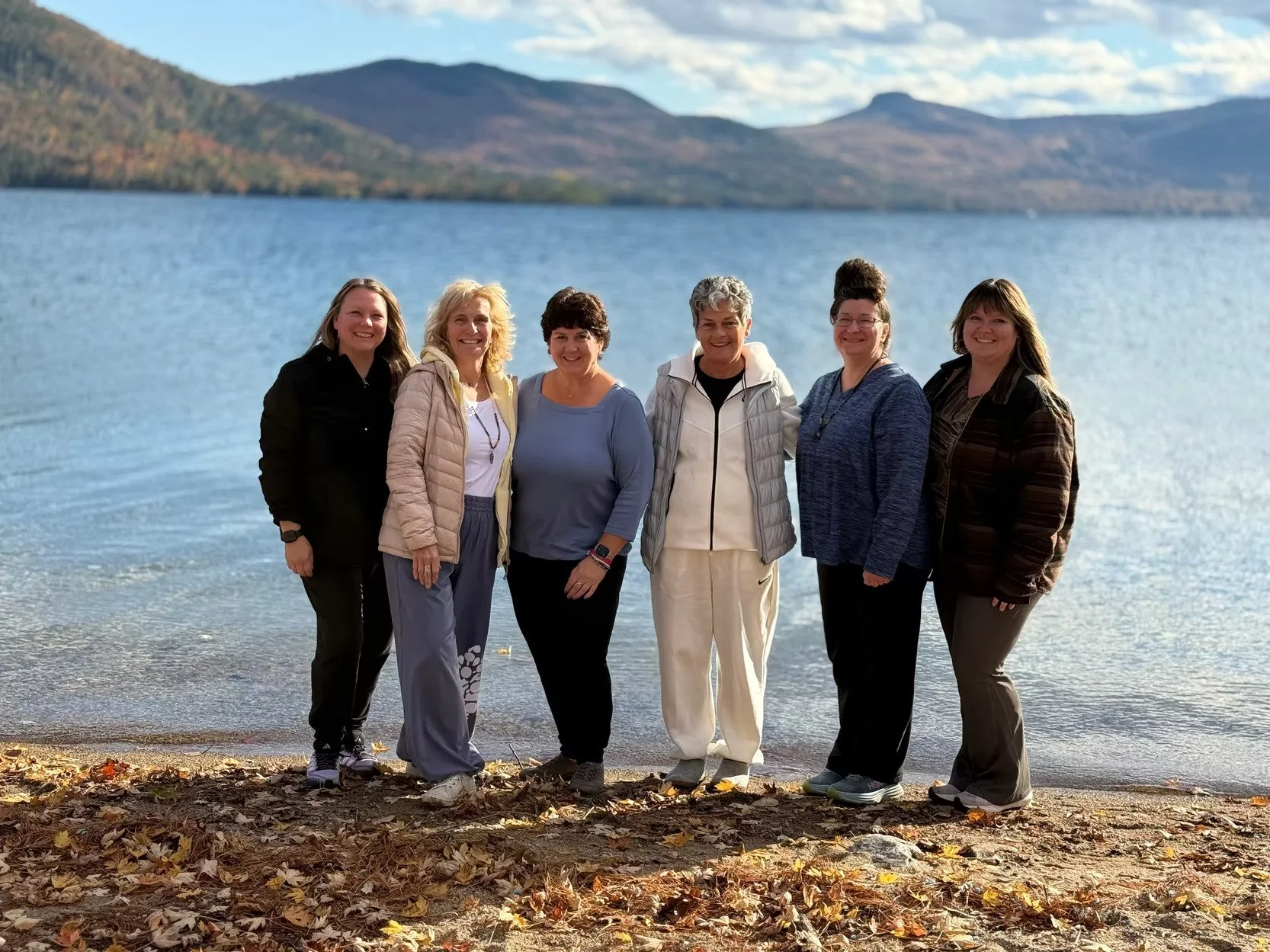
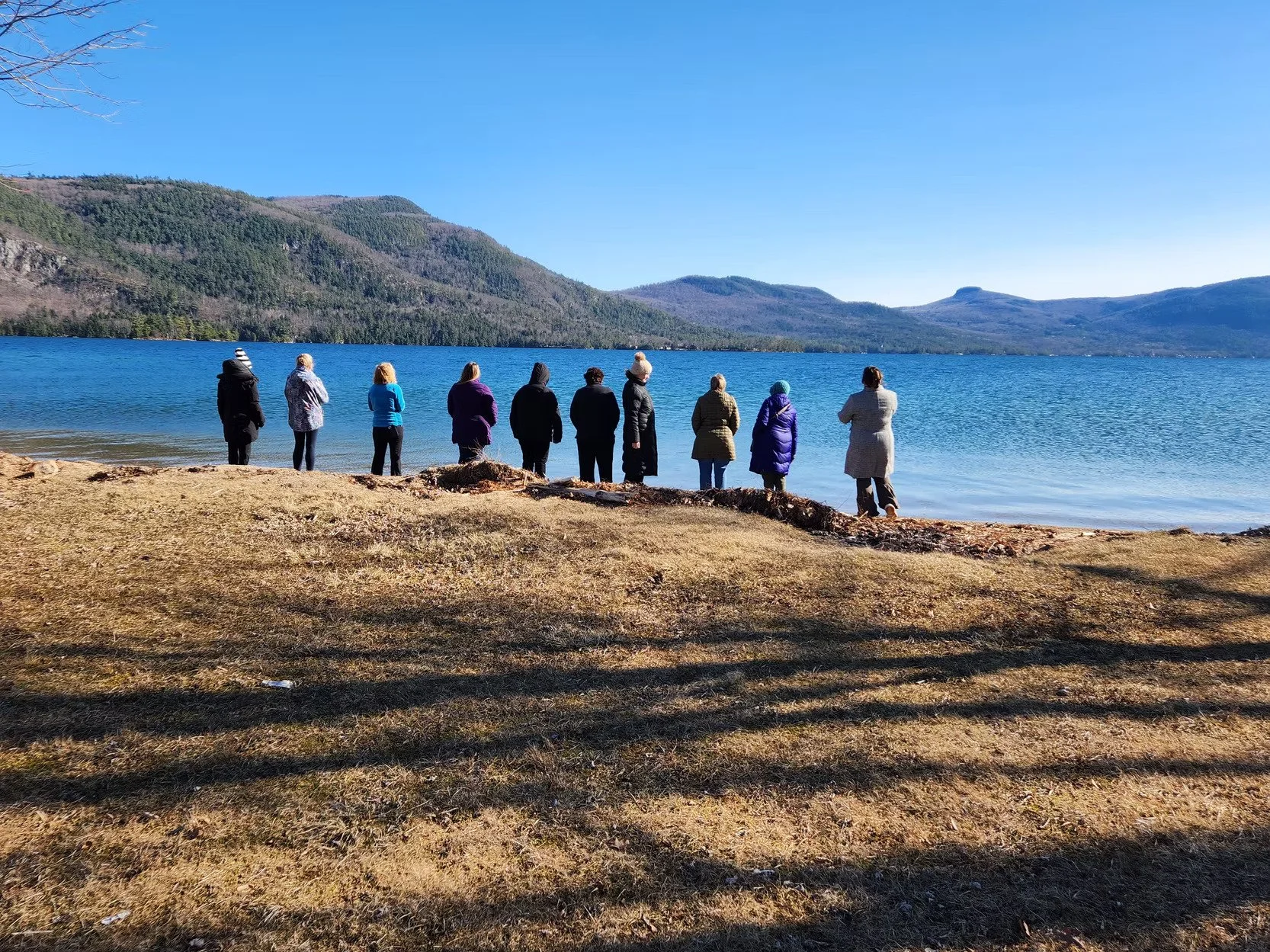
Photos of Past Retreats
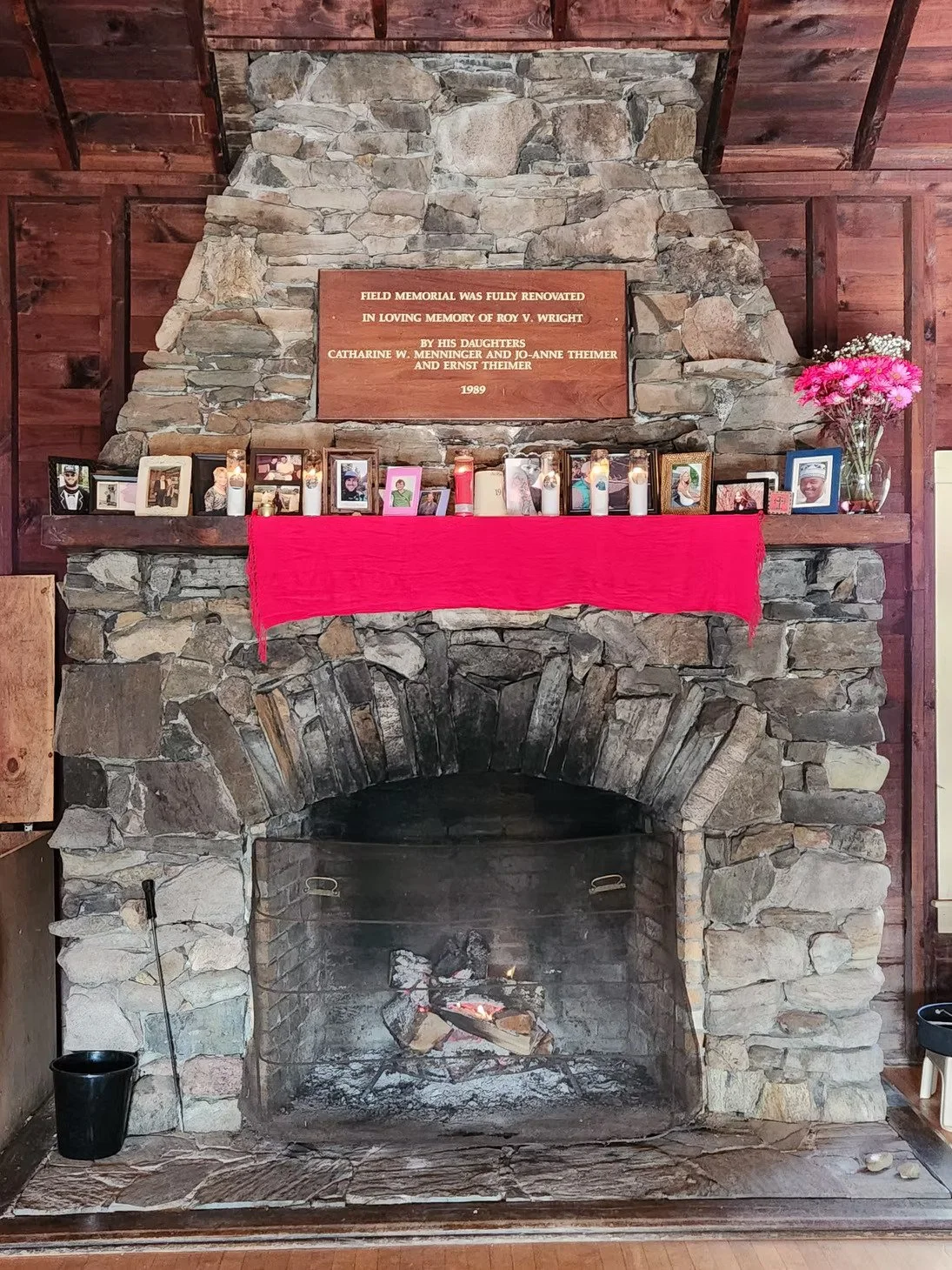
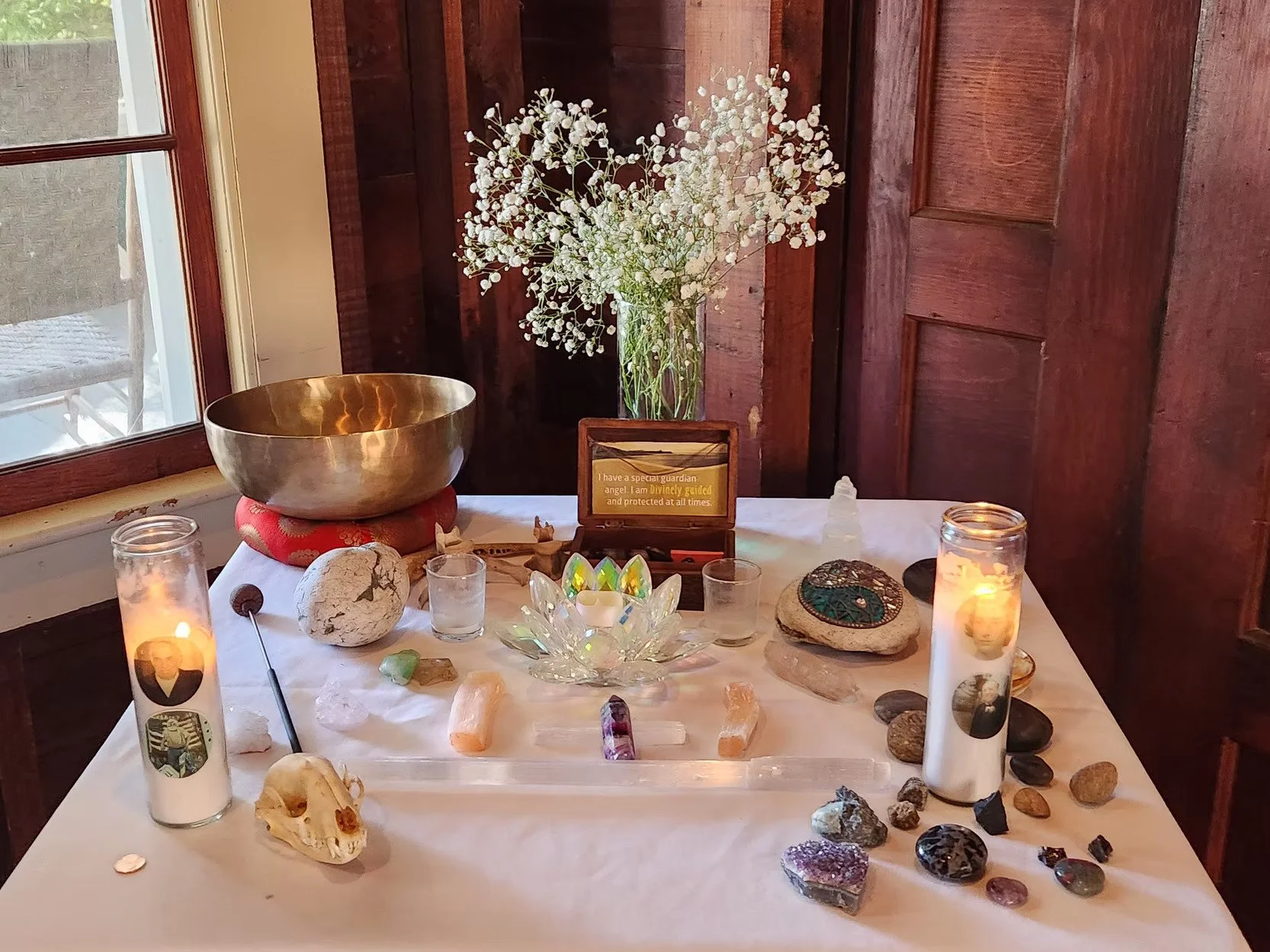
After Death Connection Retreat Photo Journal





Check out the Path 11 Podcast To Learn More About IADC
Frequently Asked Questions about IADC
-
The term After-Death Communication, or ADC, refers to the spontaneous experience of perceiving the presence of a deceased loved one. ADCs are a frequently-reported and naturally-occurring phenomenon. Studies indicate that up to 40 percent of adults have had ADC experiences; for widows that figure is as high as 70 to 80 percent; and 14 percent of adults report actually seeing or hearing the deceased in their ADC experiences (Rees, 2001; Dastson & Marwit, 1997; Silverman & Worden, 1993; Simon-Buller, et al., 1989). This treatment method is called Induced After-Death Communication as it induces the psychological state in which spontaneous ADCs can occur.
-
Absolutely! There is no time limit to grief. However, the IADC technique has been found to be most effective one year after the person has died.
-
Beliefs play no role (other than as mentioned above) in IADC Therapy. It doesn’t matter what clients believe beforehand, and it doesn’t matter what clients believe after an IADC experience. However, those who are open-minded to the possibility have a greater chance of experiencing after-death communication.
-
IADC Therapy does not directly induce ADCs. Rather, it induces the psychological state of openness that allows the ADC to occur naturally. The feelings of deep sadness related to the death of your loved one are reported to be resolved. The IADC sessions can also help reduce the core sadness of your loss and help you feel more connected to your loved one. A profound sense of peace is also regularly reported after the final session.
-
Absolutely!
-
Currently, the stats show approximately 75% of participants who participate one year from their loved ones death have an after-death experience. Those who have gone through the process that did not have an ADC still found the process to be very cathartic and the eye movement therapy help to process more feelings around the person's death.
-
This 3-day intensive is specifically for people who a grieving the death of a loved one.
-
A control group-design research study, Effects of Induced After-Death Communication on Grief, was conducted at the University of North Texas by Dr. Jan Holden et al. Participants who underwent IADC were shown to have benefited significantly over those who received conventional treatment.
Click here to read this study in Grief Matters: The Australian Journal of Grief and Bereavement.
A research study on the IADC Grief Questionnaire was conducted by Dr. Claudio Lalla in Italy. Click here to read the results of Dr. Lalla’s study.
And a new study by Dr. Tom Nehmy has been approved to begin at the University of Adelaide in Australia. Click here to learn more about Dr. Nehmy’s study.
-
Sadness prevents an ADC from occurring naturally. The vast majority of IADC Therapy consists of reducing sadness. The remainder involves inducing a state of receptivity, which is characterized by a state of complete openness to anything that might happen.
Of the 25 to 30 percent of people who do not experience an ADC, the vast majority of these are people who cannot quiet their minds. People who meditate are easier to induce, so it is useful to teach a brief mindfulness meditation they can practice before their IADC appointments.
There are also certain medications that reduce the likelihood of experiencing an IADC. This will be discussed in further detail during your intake call.
-
Friday
Welcome & Introductions
Introducing your loved one
Guided Meditation and intention-setting
Saturday
Welcome Back
IADC Sessions
Reiki Session when not in
IADC
Fire Ritual
Sunday
Breakfast
IADC Sessions
Reiki Session when not in IADC
Lunch Break
IADC Sessions
Group shares
Closing Ceremony
-
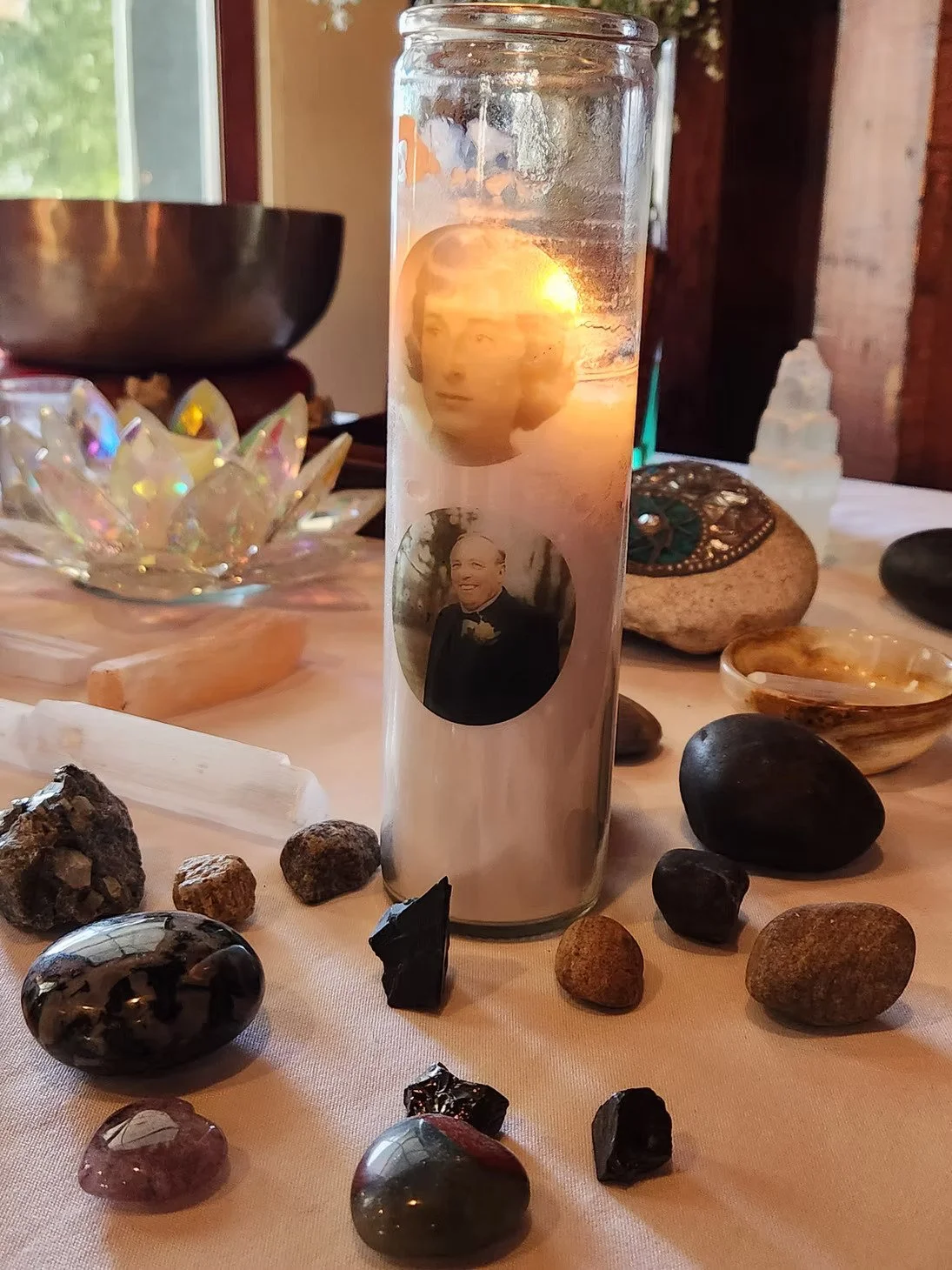
We ask that you bring two framed pictures of your loved one for the altar we will create on Friday evening. We also suggest wearing comfortable clothes and bringing a pair of slippers or socks, as shoes are asked to be removed in our studio. We will offer hot tea and water, so bring your favorite mug or water bottle to fill. Upon registration, you will receive an email with further detailed instructions.